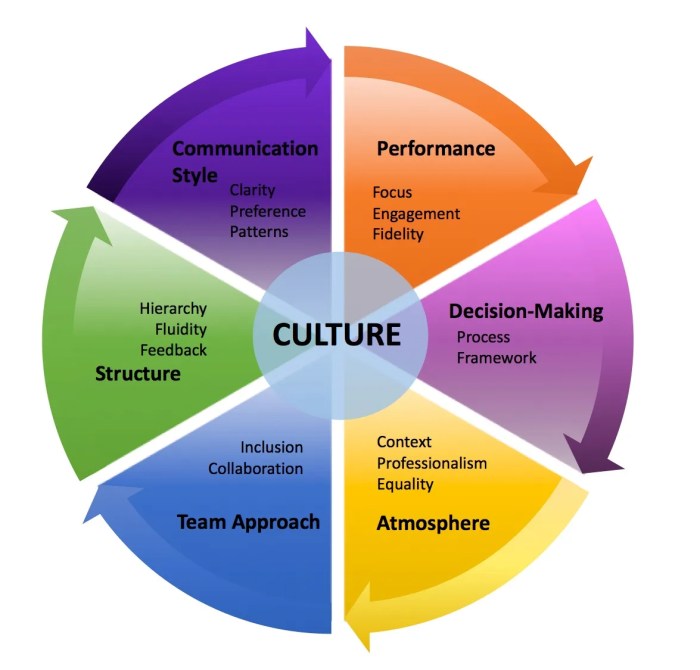
Cultivating a thriving corporate environment hinges on a potent synergy between robust leadership and a supportive culture. This exploration delves into the intricate dance between these two forces, revealing how their alignment fuels sustainable growth and competitive advantage. We’ll examine effective leadership styles, the impact of organizational culture, and strategies for fostering a growth-oriented ecosystem within any company.
From defining the characteristics of effective growth leadership to outlining practical strategies for building a positive corporate culture, this analysis provides a comprehensive framework for understanding and implementing successful growth initiatives. We will also explore the critical role of training and development in achieving long-term success.
Defining Corporate Growth Leadership
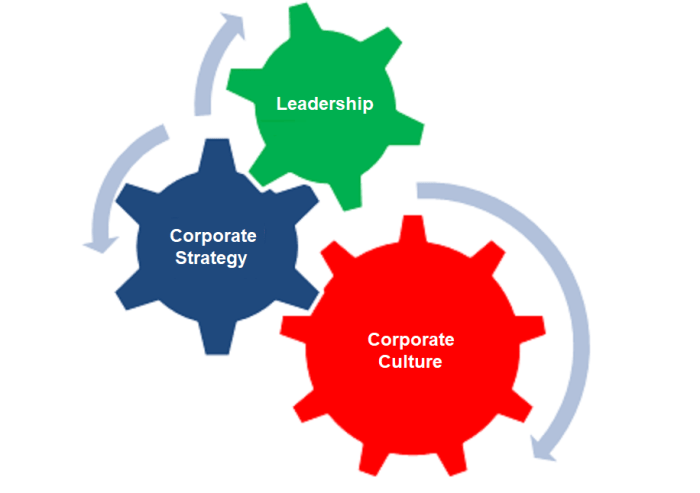
Corporate growth leadership isn’t simply about achieving targets; it’s about cultivating a culture and strategy that consistently drives expansion and improvement. It requires a unique blend of vision, execution, and people-centric approaches. Effective leaders in this space understand the intricate interplay between strategic planning, operational efficiency, and fostering a high-performing team.
Key Characteristics of Effective Growth Leadership
Effective corporate growth leaders possess a distinct set of characteristics that set them apart. They are typically highly strategic thinkers, capable of developing long-term visions and translating them into actionable plans. Furthermore, they are adept at building strong, collaborative teams, fostering innovation, and adapting to the ever-changing business landscape. Crucially, they are also skilled communicators, able to articulate their vision and inspire their teams to achieve ambitious goals.
They are decisive, data-driven, and possess a relentless focus on results. These qualities allow them to navigate complex challenges and capitalize on emerging opportunities.
Transactional vs. Transformational Leadership in Growth Contexts
Transactional leadership, characterized by a focus on rewards and punishments tied to performance, can be effective in driving short-term gains. However, in the context of sustained corporate growth, transformational leadership often proves more impactful. Transformational leaders inspire and motivate their teams by articulating a compelling vision for the future and empowering individuals to contribute their unique skills and perspectives. They foster a culture of innovation and continuous improvement, leading to more significant and long-lasting growth.
For example, a transactional leader might incentivize sales targets with bonuses, while a transformational leader would inspire the sales team to embrace new technologies and strategies to achieve even greater success, fostering a sense of shared purpose.
Leadership Styles Fostering Innovation and Adaptation
Several leadership styles demonstrably contribute to innovation and adaptation, crucial elements of sustained corporate growth. Servant leadership, for instance, prioritizes the needs of the team and empowers individuals to take ownership of their work, fostering creativity and problem-solving. Agile leadership emphasizes flexibility and responsiveness to change, enabling organizations to adapt quickly to market shifts and emerging opportunities. Similarly, coaching leadership focuses on developing the skills and capabilities of team members, creating a high-performing team capable of driving innovation and growth.
Consider a company successfully navigating a disruptive technological shift; agile leadership would have allowed them to pivot and adapt quickly, while a coaching approach would ensure the team had the skills needed to implement the changes successfully.
A Leadership Development Program for Accelerated Corporate Growth
A comprehensive leadership development program designed to accelerate corporate growth would incorporate several key components. It would begin with a thorough assessment of current leadership capabilities, identifying areas for improvement. This would be followed by targeted training modules focused on strategic thinking, change management, innovation, and team building. The program would also include opportunities for mentorship and coaching, allowing participants to learn from experienced leaders and develop their skills in a supportive environment.
Finally, a robust evaluation system would track progress and ensure the program’s effectiveness in fostering growth-oriented leadership. Such a program might involve workshops on scenario planning, simulations of market disruptions, and team-based projects that require collaborative problem-solving and innovative solutions. This holistic approach would equip leaders with the skills and knowledge necessary to drive sustained corporate growth.
The Role of Culture in Corporate Growth
A thriving corporate culture is not merely a desirable perk; it’s a fundamental driver of sustainable growth. A positive and engaging work environment fosters increased employee productivity, innovation, and retention, ultimately translating into a stronger bottom line. This section explores the intricate relationship between corporate culture and growth, examining successful examples and strategies for cultivating a growth-oriented environment.A positive corporate culture significantly boosts employee engagement and productivity.
When employees feel valued, respected, and empowered, they are more likely to be invested in their work, contributing their best efforts and exceeding expectations. This heightened engagement translates directly into increased productivity, improved quality of work, and reduced employee turnover. Reduced turnover saves the company significant costs associated with recruitment, training, and lost productivity during the onboarding process.
Furthermore, a positive culture fosters collaboration and knowledge sharing, leading to faster innovation and more efficient problem-solving.
Positive Corporate Culture Examples and Their Impact on Growth
Companies like Google and Southwest Airlines are often cited for their strong, positive cultures that have fueled remarkable growth. Google’s emphasis on innovation, employee well-being, and a collaborative environment has driven its phenomenal success in the tech industry. Similarly, Southwest Airlines’ focus on employee empowerment, a strong sense of teamwork, and a customer-centric approach has contributed to its consistent profitability and market leadership in the airline sector.
These examples highlight how a carefully cultivated culture can become a significant competitive advantage.
Organizational Structures and Their Influence on Culture and Growth
Different organizational structures inherently impact corporate culture and, consequently, growth. A hierarchical structure, for instance, often leads to a more formal and top-down culture, potentially stifling innovation and employee initiative. Conversely, a flatter, more decentralized structure can foster collaboration, empowerment, and a more agile response to market changes, potentially leading to faster growth. The optimal structure depends heavily on the company’s size, industry, and strategic goals.
A large multinational corporation might benefit from a more structured approach, while a smaller, rapidly growing startup might thrive with a flatter, more flexible organization.
Strategies for Building a Growth-Oriented Culture
Building a growth-oriented culture within an existing organization requires a multifaceted approach. This includes clearly defining the company’s values and vision, ensuring they are communicated effectively to all employees, and consistently reinforcing them through actions and rewards. Investing in employee development and training programs is crucial to enhance skills and foster a culture of continuous learning. Open communication channels, regular feedback mechanisms, and opportunities for employee input are essential for fostering a sense of ownership and engagement.
Furthermore, recognizing and rewarding employees for their contributions, both individually and as teams, is vital for reinforcing positive behaviors and fostering a culture of achievement. Finally, leadership plays a critical role in setting the tone and modeling the desired behaviors, ensuring that the company’s values are truly lived and breathed throughout the organization.
Alignment of Leadership and Culture for Growth
Aligning leadership strategies with the overall corporate culture is paramount for achieving sustainable growth. When these two crucial elements work in harmony, they create a powerful engine for progress, driving innovation, employee engagement, and ultimately, increased profitability. Conversely, misalignment can lead to internal conflict, decreased productivity, and ultimately, hinder the company’s ability to reach its full potential.
Successful corporate growth requires a synergistic relationship between leadership and culture. Leadership sets the strategic direction, while culture provides the framework within which that direction is pursued. When these are misaligned, the resulting dissonance can manifest in various ways, impacting everything from employee morale to market performance. A strong culture can be undermined by leadership that doesn’t embody its values, while effective leadership can struggle to implement its vision in a culture that actively resists change.
Potential Conflicts Between Leadership Styles and Cultural Norms
Several scenarios illustrate potential conflicts between leadership styles and cultural norms. For instance, a highly autocratic leadership style may clash with a culture that values collaboration and open communication. Similarly, a risk-averse culture can stifle innovation driven by a forward-thinking, entrepreneurial leadership team. Conversely, a highly innovative, fast-paced leadership approach might struggle to thrive in a rigid, bureaucratic culture that prioritizes process over speed.
These conflicts can lead to decreased employee satisfaction, reduced productivity, and ultimately, hinder growth.
Framework for Assessing Leadership and Culture Alignment
A comprehensive assessment of leadership and culture alignment requires a multi-faceted approach. This framework involves analyzing leadership behaviors, cultural values, and their interactions. First, leadership styles should be evaluated against the existing cultural norms. This involves surveying employees to understand their perceptions of leadership and the prevailing culture. Next, an analysis of strategic goals and their compatibility with the organizational culture is necessary.
Do the company’s strategic objectives align with the values and behaviors that are ingrained in the organizational culture? Finally, regular feedback mechanisms should be established to track the alignment over time and make adjustments as needed. This ongoing assessment allows for proactive identification and resolution of potential conflicts before they significantly impact growth.
Case Study: Successful Alignment of Leadership and Culture
This case study examines how a fictional company, “InnovateTech,” successfully aligned its leadership and culture to achieve substantial growth. InnovateTech, initially a small tech startup, experienced rapid growth but faced internal challenges due to a misalignment between its leadership style and organizational culture. The leadership, while highly innovative, lacked clear communication and collaboration, resulting in decreased team morale and project delays.
By implementing a new leadership training program focused on collaborative leadership and fostering open communication, and by simultaneously reinforcing the importance of teamwork and transparency in the company culture, InnovateTech saw a significant shift.
| Metric | Before Alignment | After Alignment |
|---|---|---|
| Employee Satisfaction (Score 1-10) | 6.2 | 8.5 |
| Project Completion Rate | 75% | 92% |
| Revenue Growth (Year-over-Year) | 15% | 35% |
| Employee Turnover Rate | 18% | 8% |
Corporate Growth and Corporate Training
Corporate training is not merely an expense; it’s a strategic investment directly impacting a company’s ability to achieve its growth objectives. A well-designed training program equips employees with the skills and knowledge necessary to navigate evolving market demands, adopt innovative strategies, and ultimately drive sustainable growth. Ignoring this crucial aspect can severely limit a company’s potential.The critical role of corporate training in supporting corporate growth objectives lies in its ability to bridge the gap between current capabilities and future needs.
By providing employees with the tools and knowledge to perform their roles more effectively, training enhances productivity, improves decision-making, and fosters a culture of continuous improvement – all essential ingredients for sustained corporate growth. Moreover, effective training programs can boost employee morale and engagement, leading to increased retention rates and a more stable, productive workforce.
Examples of Training Programs Enhancing Leadership and Growth Culture
Several training programs directly contribute to enhancing leadership skills and fostering a growth-oriented culture. For instance, leadership development programs focusing on strategic thinking, change management, and effective communication empower managers to guide their teams towards ambitious goals. Similarly, programs promoting emotional intelligence and collaborative leadership build stronger, more resilient teams capable of navigating challenges and capitalizing on opportunities.
Furthermore, workshops focused on innovation and problem-solving equip employees with the tools to identify and address growth bottlenecks, while training on data analysis and interpretation enables data-driven decision-making, crucial for informed strategic planning. Finally, diversity and inclusion training fosters a more inclusive and equitable workplace, enhancing creativity and innovation.
Comparison of Training Methodologies and Their Effectiveness
Different training methodologies offer varying degrees of effectiveness depending on the specific growth-related outcomes sought. Traditional classroom-based training, while cost-effective for large groups, may lack the personalized engagement of online learning platforms or on-the-job coaching. Online learning, with its flexibility and accessibility, is ideal for disseminating information widely and consistently, but it may lack the immediate feedback and interaction of in-person sessions.
On-the-job coaching, while highly effective in developing practical skills, can be resource-intensive and may not be scalable for large organizations. Simulation-based training, particularly useful for high-stakes scenarios like crisis management or complex negotiations, allows for risk-free practice and development of crucial decision-making skills. The optimal approach often involves a blended learning strategy, combining different methodologies to leverage their individual strengths and address the specific learning needs of the target audience.
For example, a leadership development program might incorporate classroom sessions for foundational concepts, online modules for self-paced learning, on-the-job mentoring for practical application, and simulation exercises for high-pressure scenario training.
Detailed Training Curriculum for Leadership and Cultural Awareness
A comprehensive training curriculum focused on developing leadership competencies and cultural awareness for corporate growth should address multiple key areas. The curriculum needs to be structured to facilitate both individual and group learning, using a blend of interactive exercises, case studies, and presentations. This allows for a dynamic and engaging learning experience.
- Module 1: Foundations of Leadership for Growth: This module will cover fundamental leadership principles, including vision setting, strategic planning, and effective communication. It will emphasize the importance of aligning individual and team goals with overall corporate objectives.
- Module 2: Leading Change and Innovation: This module will equip participants with the skills to manage organizational change effectively, fostering a culture of innovation and adaptability. It will explore methods for identifying and addressing resistance to change and for nurturing creativity within teams.
- Module 3: Developing High-Performing Teams: This module focuses on building strong, collaborative teams. It covers topics such as team dynamics, conflict resolution, delegation, and performance management. Participants will learn to leverage the strengths of individual team members to achieve collective success.
- Module 4: Effective Communication and Feedback: This module will address crucial communication skills, including active listening, clear articulation, and constructive feedback. It will highlight the importance of open communication in building trust and fostering a growth-oriented culture.
- Module 5: Cultural Awareness and Inclusivity: This module will promote understanding and appreciation of diverse perspectives within the workplace. It will cover topics such as unconscious bias, cultural sensitivity, and inclusive leadership practices. The aim is to create a workplace where all employees feel valued and respected.
- Module 6: Data-Driven Decision Making: This module will focus on utilizing data analysis and interpretation to inform strategic decisions. It will cover methods for collecting, analyzing, and interpreting data to support business growth strategies.
- Module 7: Ethical Leadership and Corporate Social Responsibility: This module will explore the importance of ethical leadership and corporate social responsibility in driving sustainable growth. It will address topics such as corporate governance, ethical decision-making, and environmental sustainability.
Challenges and Opportunities in Corporate Growth
Sustained corporate growth is rarely a linear path; it’s a dynamic process fraught with challenges and brimming with opportunities. Understanding and proactively addressing potential obstacles, while simultaneously capitalizing on emerging trends, is crucial for long-term success. This section will explore the key challenges and opportunities impacting corporate growth, focusing on leadership, culture, and market forces.
Obstacles to Sustained Corporate Growth
Several factors can hinder a company’s ability to achieve consistent growth. These obstacles often stem from a combination of internal leadership and cultural issues, as well as external market pressures. Ignoring these challenges can lead to stagnation or even decline.
Leadership Development Challenges
A lack of skilled leadership can severely impede growth. This includes insufficient succession planning, inadequate leadership training programs, and a failure to cultivate leadership qualities throughout the organization. For example, a company relying on a single visionary leader without a robust leadership pipeline risks significant disruption if that leader departs. Further, a lack of investment in leadership development can lead to a lack of innovation and adaptability, hindering the company’s response to changing market conditions.
Cultural Barriers to Growth
A resistant or inflexible corporate culture can stifle innovation and adaptability, making it difficult to embrace new strategies or technologies. For instance, a culture entrenched in traditional hierarchical structures might struggle to implement agile methodologies, hindering rapid response to market changes. Similarly, a risk-averse culture may prevent the exploration of potentially lucrative but uncertain ventures. This can lead to missed opportunities and a gradual decline in competitiveness.
Market Dynamics and External Pressures
External factors such as economic downturns, increased competition, and shifting consumer preferences can significantly impact growth trajectories. For example, a sudden economic recession can drastically reduce consumer spending, impacting sales and profitability across various sectors. Similarly, the emergence of disruptive technologies can render existing business models obsolete, requiring rapid adaptation or facing obsolescence. Companies must continuously monitor and respond to these external pressures.
Strategies for Overcoming Challenges
Addressing the challenges Artikeld above requires a multi-pronged approach encompassing leadership development, cultural transformation, and strategic market responsiveness.
Strategies for Leadership Development
Investing in comprehensive leadership development programs is paramount. This should include mentorship programs, leadership training workshops, and opportunities for employees to develop their leadership skills through practical experience. Implementing robust succession planning ensures a smooth transition of leadership, mitigating the risks associated with relying on a single individual. Furthermore, fostering a culture of feedback and continuous learning helps to identify and address leadership gaps proactively.
Strategies for Cultural Change
Facilitating cultural change requires a strategic and well-communicated approach. This involves clearly defining desired cultural attributes, such as agility, innovation, and customer centricity. Leadership buy-in and consistent communication are crucial for creating a shared understanding and commitment to the change process. Implementing new processes and systems that align with the desired culture reinforces the change, while celebrating successes helps to build momentum and maintain engagement.
Strategies for Navigating Market Dynamics
Developing robust market intelligence capabilities is essential for anticipating and responding to changes in consumer preferences and competitive landscapes. This involves actively monitoring market trends, conducting thorough market research, and engaging in competitive analysis. Building a flexible and adaptable business model allows companies to pivot quickly in response to market shifts, ensuring continued relevance and competitiveness. Diversification of products and services can also mitigate risks associated with reliance on a single market or product.
Opportunities from Emerging Technologies and Global Trends
Emerging technologies and global trends present significant opportunities for accelerating corporate growth.
Leveraging Emerging Technologies
Artificial intelligence (AI), machine learning (ML), and big data analytics offer unprecedented opportunities for enhancing efficiency, improving decision-making, and creating new revenue streams. For example, AI-powered customer service tools can improve customer satisfaction and reduce operational costs. Similarly, data analytics can provide valuable insights into customer behavior, enabling targeted marketing campaigns and product development. The adoption of cloud computing offers scalability and flexibility, allowing businesses to adapt to changing demands more efficiently.
Capitalizing on Global Trends
Globalization presents opportunities to expand into new markets and access diverse talent pools. However, this requires careful consideration of cultural nuances and regulatory environments. For instance, a company expanding into a new international market needs to adapt its products and marketing strategies to resonate with local consumers. Understanding and navigating international trade regulations is crucial for smooth operations and avoiding potential legal issues.
The rise of e-commerce facilitates global reach, enabling businesses to connect with customers worldwide regardless of geographical location.
Building Resilience and Adaptability
Building resilience and adaptability is crucial for navigating future uncertainties and maintaining growth.
Strategies for Building Organizational Resilience
Investing in robust risk management frameworks helps to identify and mitigate potential threats. This includes developing contingency plans for various scenarios, such as economic downturns or natural disasters. Building strong relationships with suppliers and partners ensures a reliable supply chain and mitigates disruptions. A diverse workforce brings varied perspectives and expertise, enhancing the organization’s ability to adapt to changing circumstances.
Furthermore, fostering a culture of continuous improvement ensures the organization is constantly learning and adapting.
Strategies for Fostering Adaptability
Embracing agile methodologies allows for rapid response to market changes and customer feedback. This involves breaking down large projects into smaller, manageable tasks, enabling faster iteration and adaptation. Investing in employee training and development ensures the workforce possesses the skills and knowledge needed to adapt to new technologies and processes. Promoting a culture of experimentation and learning from failures encourages innovation and risk-taking, fostering adaptability and resilience.
Regularly reviewing and updating the company’s strategic plan ensures alignment with evolving market conditions and ensures the organization remains responsive to change.
Ultimately, achieving sustained corporate growth requires a holistic approach that prioritizes both strong leadership and a positive, supportive culture. By aligning these elements strategically, organizations can unlock their full potential, fostering innovation, engagement, and ultimately, enduring success. The journey demands consistent evaluation, adaptation, and a commitment to continuous improvement, ensuring the organization remains agile and responsive to the ever-evolving business landscape.
FAQ Overview
What are some common obstacles to aligning leadership and culture for growth?
Resistance to change, conflicting leadership styles, lack of communication, unclear vision, and inadequate resources are common hurdles. Overcoming these requires strong communication, effective change management, and consistent reinforcement of the desired culture.
How can you measure the effectiveness of a leadership development program?
Measure effectiveness through employee surveys, performance reviews, improved KPIs related to team performance, and leadership skill assessments. Track improvements in areas such as decision-making, communication, and team motivation.
How do you address cultural conflicts that hinder growth?
Open communication, conflict resolution training, and fostering a culture of inclusivity and respect are crucial. Addressing the root causes of conflict and creating a safe space for dialogue are key to resolution.
What is the role of technology in fostering a growth-oriented culture?
Technology can enhance communication, collaboration, and knowledge sharing, crucial for a growth-oriented culture. Tools for project management, communication platforms, and data analytics can streamline processes and improve efficiency.


