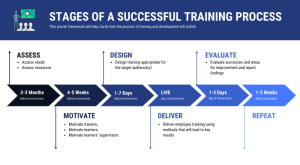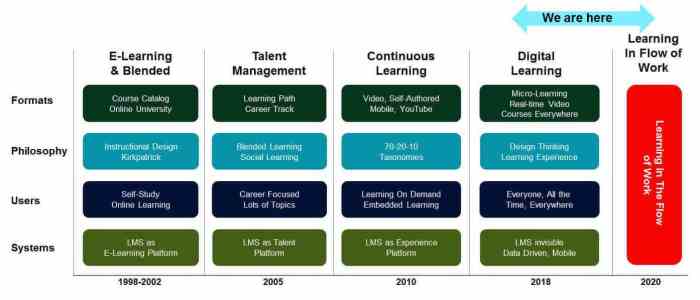
Investing in corporate training programs for employees is no longer a luxury; it’s a strategic imperative for businesses aiming for sustained growth and competitive advantage. This exploration delves into the multifaceted world of employee development, examining various program types, effective design principles, and the crucial role of technology in maximizing impact. We will uncover how well-structured training initiatives directly translate into improved employee retention, boosted productivity, and ultimately, a stronger bottom line.
From needs assessments and budget considerations to measuring return on investment (ROI) and addressing common implementation challenges, this comprehensive overview equips organizations with the knowledge and tools to create impactful training programs that truly empower their workforce. We’ll examine diverse learning styles, innovative technologies like VR and AR, and practical strategies for overcoming employee resistance to training, ensuring a holistic approach to employee development.
Types of Corporate Training Programs
Effective corporate training programs are crucial for employee development, boosting productivity, and fostering a culture of continuous improvement. Choosing the right type of program depends on various factors, including learning styles, budget, and organizational goals. This section will explore several common types, highlighting their strengths and weaknesses.
Corporate Training Program Types and Characteristics
The following table categorizes five common corporate training program types based on learning styles and target audiences. Understanding these differences allows organizations to tailor training to maximize impact and employee engagement.
| Type | Description | Learning Style | Target Audience |
|---|---|---|---|
| On-the-Job Training (OJT) | Hands-on training where employees learn by performing tasks under supervision. This often involves shadowing experienced colleagues or working on real-world projects. | Kinesthetic | New hires, employees needing specific skill development |
| Instructor-Led Training (ILT) | Traditional classroom-based training delivered by an instructor. This format often incorporates lectures, presentations, and group discussions. | Auditory, Visual | Large groups, foundational knowledge transfer |
| E-Learning | Online training modules accessed via computers or mobile devices. This can include videos, interactive exercises, and assessments. | Visual, Auditory | Diverse audiences, flexible learning schedules |
| Simulation Training | Training that replicates real-world scenarios, allowing employees to practice skills in a safe environment. This can involve software simulations or role-playing exercises. | Kinesthetic, Visual | Employees requiring high-stakes skill development (e.g., pilots, surgeons) |
| Mentorship Programs | A structured program pairing experienced employees (mentors) with less experienced employees (mentees) for guidance and support. | Auditory, Visual, Kinesthetic (depending on the mentoring style) | Employees seeking career advancement, new hires |
Advantages and Disadvantages of Corporate Training Program Types
Each training program type offers distinct advantages and disadvantages. Careful consideration of these factors is essential for effective program selection.On-the-Job Training (OJT): Advantages include practical experience and immediate application of skills. Disadvantages include inconsistency in training quality and potential for disruption to daily operations.Instructor-Led Training (ILT): Advantages include direct interaction with an instructor and opportunities for immediate feedback.
Disadvantages include high costs, limited flexibility, and potential for passive learning.E-Learning: Advantages include cost-effectiveness, scalability, and accessibility. Disadvantages include potential for lack of interaction and difficulty in maintaining engagement.Simulation Training: Advantages include risk-free practice and development of critical skills. Disadvantages include high development costs and potential for unrealistic scenarios.Mentorship Programs: Advantages include personalized guidance and support, fostering a culture of collaboration.
Disadvantages include time commitment required from mentors and potential for inconsistent mentoring quality.
Hypothetical Training Program: Healthcare (Infection Control)
This program focuses on infection control for healthcare professionals in a hospital setting.Curriculum: The curriculum would cover topics such as hand hygiene, personal protective equipment (PPE) usage, sterilization techniques, and infection prevention protocols. It would also include modules on recognizing and responding to outbreaks, and relevant legal and ethical considerations.Delivery Methods: A blended learning approach would be utilized.
This would include ILT sessions for foundational knowledge, e-learning modules for self-paced learning, and simulation training using realistic scenarios to practice PPE donning and doffing, and responding to simulated outbreaks. Regular quizzes and assessments would be incorporated throughout the program to reinforce learning and track progress. Mentorship opportunities would be provided to new nurses, pairing them with experienced infection control nurses for ongoing guidance and support.
Developing Effective Training Programs
Creating impactful corporate training programs requires a structured approach, moving beyond simply presenting information to fostering genuine skill development and behavioral change. Effective programs are built upon a thorough understanding of employee needs, engaging learning experiences, and a well-defined budget.
Needs Assessment for Corporate Training
A comprehensive needs assessment is the cornerstone of any successful training program. This process identifies skill gaps, performance deficiencies, and areas for improvement within the organization. This ensures the training directly addresses the company’s needs, maximizing ROI and minimizing wasted resources. Several methods can be employed to pinpoint these areas. For instance, performance reviews can highlight individual weaknesses, while surveys can gauge employee perceptions of their skills and training needs.
Focus groups allow for more in-depth discussions and identification of underlying issues, while observation of employees in their work environment can provide valuable insights into their actual performance. Finally, analyzing key performance indicators (KPIs) reveals areas where performance falls short of targets, pointing towards specific training requirements. Once these skill gaps are identified, learning objectives can be established, outlining what participants should know, understand, and be able to do upon completion of the training.
These objectives should be specific, measurable, achievable, relevant, and time-bound (SMART). For example, instead of a vague objective like “improve communication skills,” a SMART objective might be: “Participants will be able to deliver a concise and persuasive presentation to a group of 10 people within 30 minutes by the end of the training, demonstrating clear articulation and effective use of visual aids.”
Designing Engaging Training Materials
Engaging training materials are crucial for effective knowledge transfer and skill development. Passive learning methods, such as lengthy lectures, are often ineffective. Instead, incorporating interactive exercises and activities significantly boosts engagement and knowledge retention. For instance, role-playing scenarios can simulate real-world situations, allowing participants to practice new skills in a safe environment. Case studies present real-life examples and challenges, encouraging critical thinking and problem-solving.
Gamification, such as incorporating points, badges, and leaderboards, can add an element of fun and competition, motivating participants to actively engage with the material. Interactive quizzes and simulations can test understanding and provide immediate feedback, reinforcing learning. Furthermore, incorporating diverse learning styles through a variety of methods, including visual aids, audio content, and hands-on activities, ensures that all learners can benefit from the training.
A well-structured training program might combine a short introductory lecture with interactive group discussions, followed by individual practical exercises and a concluding assessment.
Sample Training Program Budget
A realistic budget is essential for successful program implementation. Costs can vary significantly depending on the size of the program, the number of participants, and the chosen methods. The following is a sample budget for a one-day training program for 20 employees:
| Cost Category | Description | Estimated Cost |
|---|---|---|
| Instructor Fees | Expert trainer for the day | $1500 |
| Materials | Workbooks, handouts, pens, etc. | $200 |
| Technology | Software licenses, projector rental, online platform fees | $300 |
| Venue | Meeting room rental, refreshments | $400 |
| Administrative Costs | Registration, communication, evaluation | $100 |
| Total Estimated Cost | $2500 |
This budget represents a general estimate, and costs may vary based on specific needs and choices. For example, using an in-house trainer could significantly reduce instructor fees, while leveraging existing technology infrastructure could lower technology costs. Conversely, a larger program with more participants or a longer duration will inevitably increase overall expenses. Detailed cost breakdowns for each component should be included in the final budget.
Measuring the Impact of Training
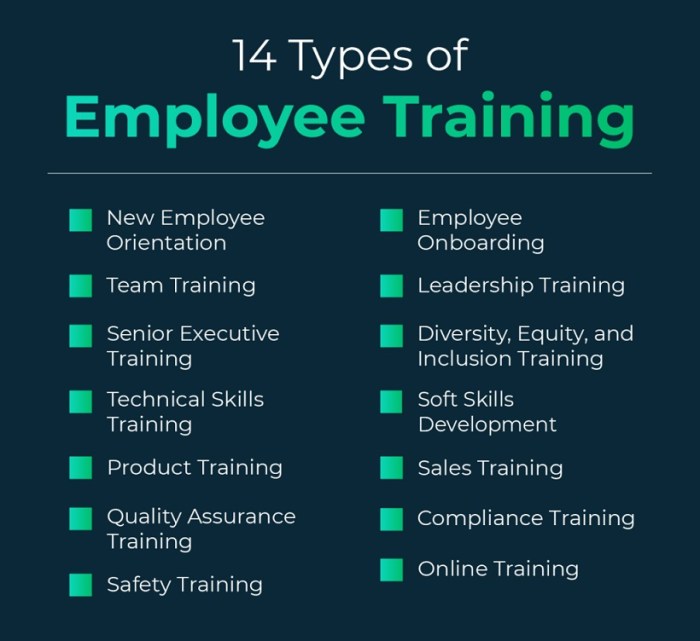
Effective corporate training programs require robust evaluation methods to demonstrate their value and guide future improvements. This involves not only assessing immediate learning but also measuring the long-term impact on employee performance and organizational outcomes. A multifaceted approach ensures a comprehensive understanding of the training’s effectiveness.Evaluating the effectiveness of corporate training programs requires a blend of qualitative and quantitative methods.
Pre- and post-training assessments provide a baseline for measuring improvements in knowledge, skills, and attitudes. Furthermore, tracking key performance indicators (KPIs) allows for the calculation of Return on Investment (ROI), demonstrating the financial benefits of the training initiative. This data-driven approach ensures that resources are allocated efficiently and that training programs continuously evolve to meet organizational needs.
Pre- and Post-Training Assessments
Pre-training assessments establish a baseline understanding of employee knowledge and skills before the training commences. This allows for a precise measurement of the improvement gained through the program. Post-training assessments, conducted immediately after the training and at various intervals thereafter, gauge the retention and application of newly acquired knowledge and skills. These assessments can take various forms, including written tests, practical exercises, simulations, and observation of on-the-job performance.
Comparing pre- and post-training assessment scores provides a clear indication of the training’s impact on individual learning.
Measuring Return on Investment (ROI)
Calculating the ROI of a training program is crucial for demonstrating its value to stakeholders. This involves comparing the costs of the training (including development, delivery, and administrative expenses) with the benefits realized (such as increased productivity, reduced errors, improved customer satisfaction, and decreased employee turnover). A simple formula for calculating ROI is:
(Return – Investment) / Investment100%
. For example, if a training program costs $10,000 and leads to a $20,000 increase in productivity, the ROI is 100%. However, calculating the ROI of training can be complex, requiring careful consideration of both tangible and intangible benefits.
Example: Data Showing Improvement in Employee Performance
Let’s consider a hypothetical sales training program. The following chart illustrates the improvement in average sales figures per employee before and after the training:
| Metric | Before Training | After Training | Improvement |
|---|---|---|---|
| Average Sales per Employee (USD) | $50,000 | $65,000 | 30% |
| Number of Closed Deals per Employee | 10 | 15 | 50% |
| Customer Satisfaction Score (out of 10) | 7 | 8.5 | 21% |
This data clearly demonstrates a significant improvement in employee performance following the sales training. The 30% increase in average sales per employee directly translates to a substantial increase in revenue for the company.
Examples of Reports Demonstrating Training Value
Reports demonstrating the value of training should be concise, visually appealing, and tailored to the audience. A report to senior management might focus on the financial ROI and the strategic impact on organizational goals. A report to HR might focus on employee satisfaction and development. Reports could include charts and graphs illustrating key performance indicators, testimonials from participants, and case studies demonstrating the positive impact of the training on specific projects or initiatives.
For example, a report could show a decrease in customer support calls after a product knowledge training program or an increase in employee engagement scores after a leadership development workshop. Visual representations of data are key to effective communication.
Technology in Corporate Training
The integration of technology into corporate training has revolutionized how companies deliver learning and development programs. This shift allows for more engaging, accessible, and effective training experiences, ultimately leading to improved employee performance and organizational success. This section explores the key technologies shaping the future of corporate learning and their respective roles in a modern training strategy.
Various technologies are transforming how companies approach employee training, offering diverse methods for delivering learning content and assessing employee understanding. The effective selection and implementation of these technologies are crucial for maximizing their impact and return on investment.
Learning Management Systems (LMS) in Corporate Training
Learning Management Systems (LMS) are the cornerstone of many modern corporate training programs. They provide a centralized platform for managing, delivering, and tracking employee learning. These systems offer a wide array of features, from course delivery and assessment to progress tracking and reporting. The choice of LMS depends heavily on the organization’s size, budget, and specific training needs.
- Advantages: Centralized content repository, automated tracking and reporting, improved accessibility, cost-effective for large-scale training, personalized learning pathways.
- Disadvantages: Can be expensive to implement and maintain, requires technical expertise for setup and management, may lack flexibility for unique training needs, user adoption can be a challenge.
LMS Platform Comparison
Numerous LMS platforms exist, each offering a unique set of features and pricing models. Choosing the right platform requires careful consideration of factors such as scalability, integration capabilities, and user experience. Popular platforms often vary in their pricing structures, with some offering tiered pricing based on the number of users or features, while others charge a flat monthly or annual fee.
| LMS Platform | Key Features | Pricing Model (Example) |
|---|---|---|
| Moodle | Open-source, highly customizable, extensive plugin ecosystem | Free (open-source), varying costs for hosting and support |
| Canvas | User-friendly interface, strong integration capabilities, robust assessment tools | Subscription-based, tiered pricing based on user count and features |
| TalentLMS | Easy to use, affordable pricing, suitable for small to medium-sized businesses | Subscription-based, tiered pricing based on user count |
Virtual Reality (VR) and Augmented Reality (AR) in Corporate Training
Immersive technologies like VR and AR are increasingly used to create engaging and realistic training simulations. VR allows trainees to experience scenarios in a safe, controlled environment, while AR overlays digital information onto the real world, enhancing hands-on learning experiences. Both technologies offer unique advantages and disadvantages depending on the specific training objectives.
- VR Advantages: Highly engaging and immersive, safe environment for practicing high-risk procedures, improved knowledge retention, effective for complex skill development.
- VR Disadvantages: High initial investment costs, requires specialized equipment, can cause motion sickness in some users, limited scalability for large groups.
- AR Advantages: Provides real-time feedback and guidance, enhances hands-on training, cost-effective compared to VR, accessible through mobile devices.
- AR Disadvantages: Requires compatible devices, can be distracting if not used properly, development can be complex and time-consuming.
Blended Learning Approach: Online and In-Person Training
A blended learning approach combines online and in-person training elements to leverage the strengths of each method. This approach offers flexibility, personalized learning, and opportunities for social interaction. For example, a sales training program could incorporate online modules for product knowledge, followed by in-person role-playing sessions to practice sales techniques. This combined strategy caters to diverse learning styles and maximizes learning outcomes.
A well-designed blended learning program will strategically utilize online resources for self-paced learning, providing accessible materials at any time. In-person sessions would then focus on interactive activities like group discussions, hands-on exercises, and collaborative projects. This approach allows for a more comprehensive and engaging learning experience, fostering both individual and collaborative skill development.
Corporate Growth and Corporate Training
Investing in employee training is not merely an expense; it’s a strategic investment directly impacting a company’s growth trajectory. A well-trained workforce is a more productive, engaged, and innovative workforce, leading to increased profitability and a stronger competitive edge. This section will explore the undeniable link between corporate training and overall corporate success.Effective training programs are instrumental in fostering a culture of continuous improvement and adaptation within an organization.
This, in turn, fuels growth by equipping employees with the skills and knowledge necessary to navigate evolving market demands and embrace new technologies. Moreover, a commitment to training demonstrates to employees that their professional development is valued, thereby boosting morale and loyalty.
Improved Employee Retention and Productivity Through Training
Effective training programs significantly contribute to improved employee retention and increased productivity. When employees feel valued and invested in, their likelihood of staying with the company increases. Furthermore, training equips them with the skills to perform their jobs more efficiently and effectively, leading to higher output and improved quality of work. A skilled and confident workforce translates directly into higher productivity levels, reduced errors, and improved customer satisfaction.
Studies have consistently shown a positive correlation between investment in training and employee retention rates, with companies prioritizing training experiencing significantly lower turnover. This reduction in turnover saves companies significant costs associated with recruitment, hiring, and training new employees.
Case Study: XYZ Corporation’s Growth Through Targeted Training
XYZ Corporation, a mid-sized manufacturing company, faced stagnant growth and high employee turnover. Recognizing the need for change, they implemented a comprehensive training program focused on lean manufacturing principles and advanced technological skills. The program, lasting six months, involved both on-the-job training and external workshops. Quantifiable results were impressive. Within one year of program completion, employee productivity increased by 15%, as measured by units produced per employee.
Simultaneously, employee turnover decreased by 20%, resulting in substantial cost savings. Furthermore, the company experienced a 10% increase in overall revenue, directly attributable to improved efficiency and higher quality product output. This case study clearly demonstrates the powerful impact of strategic training initiatives on a company’s bottom line and overall success. The investment in training was clearly recouped many times over through increased productivity, reduced turnover, and revenue growth.
Challenges and Solutions in Corporate Training
Implementing effective corporate training programs is crucial for organizational growth and employee development, but organizations often encounter significant hurdles. These challenges can range from resource limitations to resistance from employees themselves, ultimately impacting the success and return on investment of the training initiatives. Understanding these obstacles and proactively developing strategies to overcome them is vital for maximizing the impact of any training program.Successful corporate training hinges on addressing several key challenges.
These challenges are interconnected and require a multifaceted approach to resolution. Ignoring these issues can lead to wasted resources, disengaged employees, and ultimately, a failure to achieve the desired training objectives.
Budget Constraints in Corporate Training
Budget limitations are a frequently cited obstacle. Many organizations struggle to allocate sufficient funds for comprehensive training programs, particularly those involving external facilitators, specialized software, or extensive travel. This can lead to compromises in training quality, reduced participant numbers, or the selection of less effective training methods. Strategies for overcoming this include prioritizing training needs based on business impact, exploring cost-effective training options like online courses or internal trainers, and seeking sponsorship or grants where applicable.
Negotiating favorable contracts with training providers and utilizing existing company resources can also significantly reduce costs. For instance, a company might leverage its existing intranet for online modules instead of investing in a new Learning Management System (LMS) initially.
Time Constraints in Corporate Training
The demands of daily operations often clash with the time needed for effective training. Employees may have limited availability due to heavy workloads, project deadlines, or other commitments. This time scarcity can lead to rushed training sessions, reduced participation, or a lack of time for practice and reinforcement. Solutions include incorporating microlearning techniques, delivering training in shorter, more frequent sessions, utilizing flexible learning formats like online modules accessible at any time, and scheduling training during less busy periods or integrating it into existing workflows.
For example, instead of a full-day workshop, a company could deliver the same content through a series of 30-minute online modules spread across a week.
Employee Resistance to Training
Employee resistance, stemming from factors such as perceived irrelevance, lack of interest, fear of change, or a belief that training is a waste of time, poses a substantial challenge. This resistance can manifest as low participation rates, lack of engagement during training, and failure to apply learned skills on the job. Addressing this requires a multi-pronged approach. This includes clearly demonstrating the value and relevance of the training to employees’ individual roles and career progression, actively soliciting employee feedback to tailor the training to their needs, providing opportunities for active participation and interaction, and offering incentives or recognition for successful completion.
Furthermore, creating a culture of continuous learning and development within the organization can significantly reduce resistance. For example, a company could highlight success stories of employees who have benefited from past training programs or offer opportunities for employees to share their experiences and feedback.
Ultimately, successful corporate training programs for employees are not simply about imparting knowledge; they are about fostering a culture of continuous learning and development. By strategically aligning training initiatives with business objectives, organizations can unlock the full potential of their workforce, driving innovation, enhancing performance, and securing a competitive edge in today’s dynamic marketplace. The insights presented here provide a roadmap for creating impactful programs that yield tangible results, transforming employees into highly skilled, engaged, and loyal contributors to organizational success.
General Inquiries
What is the ideal length for a corporate training program?
The ideal length varies depending on the complexity of the subject matter and the learning objectives. Shorter, focused sessions are often more effective than lengthy, drawn-out programs. Consider using a blended learning approach to maximize engagement and knowledge retention.
How can we ensure employee participation in training programs?
Make training relevant to employees’ roles and career aspirations. Offer incentives, make the training engaging and interactive, and provide opportunities for feedback and recognition. Address any concerns or anxieties employees may have about the training.
How do we measure the success of a training program beyond immediate post-training assessments?
Track key performance indicators (KPIs) related to the skills learned, such as improved productivity, reduced errors, or increased sales. Conduct follow-up surveys and interviews to gauge long-term impact on employee performance and job satisfaction.