Expanding a corporation internationally presents a compelling narrative of ambition, risk, and reward. This exploration delves into the multifaceted strategies employed by businesses seeking global dominance, examining the intricate dance between market entry, competitive positioning, and effective resource management. From navigating diverse cultural landscapes to mastering the complexities of international finance and legal compliance, the journey towards international growth is a dynamic and challenging one.
We’ll unpack the key components of successful international expansion, exploring various approaches like foreign direct investment (FDI), joint ventures, and franchising. Crucially, we’ll analyze the critical role of market research, competitive analysis, and robust financial planning in mitigating risks and maximizing opportunities for sustained global growth. The ultimate goal is to equip readers with a comprehensive understanding of the strategic considerations necessary to achieve successful international expansion.
Defining International Corporate Growth Strategies
International corporate growth strategies encompass a multifaceted approach to expanding a company’s operations beyond its domestic market. Success hinges on a careful assessment of various factors, a well-defined plan, and the adaptability to navigate diverse international landscapes. A robust strategy considers market analysis, resource allocation, risk management, and cultural sensitivity, ultimately aiming for sustainable and profitable growth.
Successful international expansion strategies are built upon several core components. Thorough market research is paramount, identifying potential markets with high growth potential and a suitable fit for the company’s products or services. This involves analyzing market size, competition, consumer behavior, and regulatory environments. A clear understanding of the target market’s cultural nuances is also crucial for effective marketing and communication.
Finally, a strong organizational structure and skilled personnel capable of managing international operations are essential for successful implementation.
Internationalization Approaches
Companies employ various methods to enter international markets, each with its own advantages and disadvantages. The choice depends on factors such as the company’s resources, risk tolerance, and the characteristics of the target market.
Exporting involves selling goods or services produced domestically to foreign markets. This is a relatively low-risk approach, requiring minimal investment and allowing companies to test international waters before committing to more substantial investments. Foreign Direct Investment (FDI) entails establishing a physical presence in a foreign country, such as building a factory or acquiring an existing company. This approach offers greater control and potential for higher returns, but it also involves higher risks and significant investment.
Joint ventures involve partnering with a local company to share resources, expertise, and risk in a foreign market. This strategy can leverage local knowledge and networks, reducing the challenges associated with navigating unfamiliar cultural and regulatory landscapes.
Factors Influencing Strategy Choice
Several factors significantly influence a company’s choice of international growth strategy. These include the company’s size and resources, its risk tolerance, the nature of its products or services, the characteristics of the target market, and the political and economic environment of the host country. For example, a small company with limited resources might opt for exporting, while a larger company with greater resources might pursue FDI or joint ventures.
Similarly, a company with a product that requires significant customization for different markets might choose joint ventures to leverage local expertise. Political and economic stability in the target market is also a crucial consideration.
Hypothetical International Expansion Plan for a Small Technology Company
Let’s consider “InnovateTech,” a small technology company specializing in developing educational software. InnovateTech aims to expand into the European market, specifically targeting the UK and Germany.
Phase 1: Market Research and Analysis (6 months): InnovateTech will conduct thorough market research in the UK and Germany, analyzing market size, competition, consumer preferences, and regulatory requirements for educational software. This phase will also involve identifying potential distribution partners and assessing the cultural nuances of each market.
Phase 2: Exporting (12 months): InnovateTech will initially focus on exporting its existing software products to the UK and Germany through online distribution channels and partnerships with established educational distributors. This allows for a low-risk entry into these markets, minimizing upfront investment while testing market demand.
Phase 3: Localized Adaptation and Marketing (18 months): Based on the findings from Phase 2, InnovateTech will adapt its software to better meet the specific needs and preferences of the UK and German markets, including language localization and curriculum alignment. Targeted marketing campaigns will be launched in each market, focusing on the unique features and benefits of the software.
Phase 4: Strategic Partnerships (24 months onwards): After establishing a solid market presence, InnovateTech will explore strategic partnerships with local educational institutions or technology companies in the UK and Germany to expand its reach and leverage local expertise. This could involve joint ventures to develop new products tailored to the specific educational systems in these countries.
Market Entry Strategies and Selection
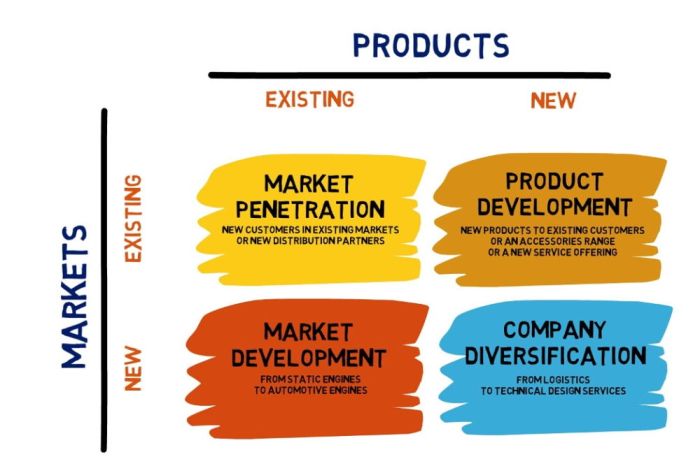
Successfully entering a new international market requires careful consideration of various entry modes. The choice significantly impacts the level of control, risk, and investment required. A well-defined strategy, informed by thorough market research, is crucial for maximizing chances of success and minimizing potential setbacks.
Companies often evaluate several key factors when choosing an entry strategy, including the size and characteristics of the target market, the level of competition, the company’s resources and capabilities, and the level of risk tolerance. Understanding the nuances of each entry mode allows businesses to align their strategy with their specific objectives and circumstances.
Comparison of Market Entry Modes
Selecting the appropriate market entry strategy involves a careful assessment of several key modes. Each presents a unique balance of control, investment, and risk. Understanding these differences is critical for strategic decision-making.
Three prominent market entry modes are franchising, licensing, and wholly-owned subsidiaries. Franchising involves granting a franchisee the right to use a company’s brand, trademarks, and business model in a specific territory. Licensing allows a company to grant another company the right to produce and sell its products or services in a foreign market. A wholly-owned subsidiary, on the other hand, represents a direct investment in a foreign market through the establishment of a new company, giving the parent company complete control.
| Entry Mode | Control | Investment | Risk | Example |
|---|---|---|---|---|
| Franchising | Low to Moderate | Low to Moderate | Low to Moderate | McDonald’s expanding globally through franchise agreements. |
| Licensing | Low | Low | Low | A pharmaceutical company licensing its drug patents to a foreign manufacturer. |
| Wholly-Owned Subsidiary | High | High | High | Toyota establishing manufacturing plants in various countries. |
Risks and Challenges Associated with Market Entry Strategies
Each market entry strategy presents a unique set of risks and challenges. Understanding these potential pitfalls is crucial for developing mitigation strategies.
For instance, franchising can face challenges in maintaining brand consistency and quality control across different franchisees. Licensing agreements may expose intellectual property to potential misuse or infringement. Wholly-owned subsidiaries carry the highest financial risk and require significant managerial expertise and resources to manage effectively. Furthermore, each mode carries risks related to political instability, regulatory hurdles, and cultural differences in the target market.
The Importance of Market Research and Due Diligence
Thorough market research and due diligence are fundamental to successful international expansion. This involves a comprehensive assessment of the target market, including its size, demographics, competitive landscape, and regulatory environment.
Market research helps identify opportunities and potential threats, while due diligence minimizes financial and legal risks. For example, a company considering establishing a wholly-owned subsidiary should conduct thorough due diligence to assess the political and economic stability of the target country, as well as the legal and regulatory framework governing foreign investment. Failure to perform adequate market research and due diligence can lead to significant financial losses and reputational damage.
Decision-Making Framework for Selecting an Optimal Market Entry Strategy
A structured decision-making framework is essential for selecting the most suitable market entry strategy. This framework should consider factors such as market size, competition, resource availability, risk tolerance, and long-term strategic goals.
A company might use a weighted scoring model, assigning weights to various factors based on their importance. For example, a company with limited resources might prioritize low-investment strategies like franchising or licensing, while a company with significant resources and a desire for greater control might opt for a wholly-owned subsidiary. This systematic approach ensures a well-informed and strategic decision that aligns with the company’s overall objectives and capabilities.
Global Competitive Analysis and Positioning
Successfully expanding a corporation internationally requires a deep understanding of the competitive landscape. Ignoring the competitive dynamics of foreign markets can lead to significant setbacks, wasted resources, and ultimately, failure. A robust competitive analysis is crucial for informed decision-making, resource allocation, and the development of effective strategies.Understanding the competitive landscape in international markets is paramount for successful global growth.
This involves identifying key competitors, analyzing their strengths and weaknesses, and predicting their future actions. This understanding informs the development of effective competitive strategies, including pricing, product differentiation, and market segmentation, tailored to specific international markets. Furthermore, it enables proactive adaptation to changing market conditions and competitive pressures.
Successful Global Competitive Strategies
Several companies have demonstrated successful global competitive strategies. For example, McDonald’s has adapted its menu to cater to local tastes in different countries, offering unique items alongside its core offerings. This localization strategy, combined with efficient global supply chains and consistent branding, has allowed McDonald’s to maintain a dominant position in the fast-food industry worldwide. Conversely, companies like Apple have leveraged a premium branding strategy, emphasizing product design and innovation to command premium prices and maintain a loyal customer base across various international markets.
Their consistent brand identity and high-quality products have allowed them to successfully compete against local and international brands.
The Impact of Global Value Chains on Corporate Growth Strategies
Global value chains significantly impact corporate growth strategies. By strategically locating different stages of production in various countries, companies can leverage lower labor costs, access specialized resources, and reduce overall production costs. However, managing these complex global value chains requires careful coordination, risk management, and a deep understanding of the regulatory environments in different countries. Disruptions in one part of the value chain can have cascading effects, impacting the entire operation.
For instance, a political instability in a country where a key component is sourced could severely disrupt the entire production process.
Competitive Analysis Report
A comprehensive competitive analysis is essential for strategic decision-making. The following table provides a template for such an analysis. This report allows for a direct comparison of key competitors, highlighting opportunities and threats. Regular updates to this analysis are crucial to maintain its relevance and inform ongoing strategic adjustments.
| Competitor Name | Market Share | Strengths | Weaknesses |
|---|---|---|---|
| Competitor A | 25% | Strong brand recognition, extensive distribution network | High prices, limited product innovation |
| Competitor B | 15% | Innovative products, strong online presence | Limited brand awareness, high marketing costs |
| Competitor C | 10% | Cost-effective production, strong customer service | Limited product range, weak brand identity |
Managing International Operations and Resources
Successfully navigating the complexities of international business requires a robust understanding of how to manage diverse teams, resources, and supply chains across geographical boundaries and cultural contexts. Effective management in this environment is crucial for achieving sustainable growth and profitability. This section explores the key challenges and best practices involved.
Challenges of Managing Diverse Teams and Cultures
Managing diverse teams across international borders presents significant challenges. Differences in communication styles, work ethics, and cultural norms can lead to misunderstandings, conflicts, and decreased productivity. For example, direct communication styles prevalent in some cultures might be perceived as rude or aggressive in others, while differing perceptions of hierarchy and authority can impact team dynamics and decision-making processes. Furthermore, managing varying legal and regulatory frameworks, including labor laws and tax regulations, adds a layer of complexity.
Overcoming these challenges requires sensitivity, adaptability, and a proactive approach to cultural understanding.
Best Practices for Effective Cross-Cultural Communication and Collaboration
Effective cross-cultural communication and collaboration are paramount for success in international operations. Building trust and mutual respect is fundamental. This involves actively listening, demonstrating empathy, and being mindful of nonverbal cues. Clear and concise communication, using plain language and avoiding jargon, is essential. Utilizing multiple communication channels, such as video conferencing and instant messaging, can enhance collaboration and facilitate quick responses.
Regular team-building activities that incorporate cultural awareness can foster stronger relationships and improve understanding. Providing cross-cultural training for employees can equip them with the necessary skills and knowledge to navigate diverse work environments effectively. Finally, establishing clear communication protocols and guidelines can help minimize misunderstandings and improve overall team efficiency.
The Importance of Supply Chain Management in International Operations
Supply chain management plays a vital role in the success of international operations. Efficient and reliable supply chains are crucial for ensuring the timely delivery of goods and services to customers worldwide. Managing international supply chains involves navigating complex logistical challenges, including transportation, customs regulations, and potential disruptions. Factors such as geopolitical instability, natural disasters, and pandemics can significantly impact supply chain resilience.
Effective supply chain management requires careful planning, risk assessment, and the implementation of robust contingency plans. Utilizing technology, such as advanced analytics and tracking systems, can improve visibility and efficiency. Building strong relationships with suppliers and distributors is also critical for ensuring reliable sourcing and timely delivery. For example, companies might utilize a diverse supplier base to mitigate risk associated with reliance on a single source.
Structuring an International Team Organizational Chart
A well-defined organizational structure is crucial for effective management of an international team. The structure should reflect the company’s global strategy and the specific needs of each market. The following example illustrates a possible structure:
- Global CEO: Oversees all international operations, sets strategic direction, and ensures alignment across regions.
- Regional Vice Presidents (RVPs): Responsible for managing operations within specific geographic regions (e.g., North America, Europe, Asia-Pacific). They report directly to the Global CEO.
- Country Managers: Manage operations within individual countries, reporting to the relevant RVP. They are responsible for market penetration, local team management, and regulatory compliance.
- Functional Heads (e.g., Marketing, Sales, Finance): These roles can be structured globally, regionally, or at the country level depending on the company’s size and organizational needs. They report to either the Global CEO, RVP, or Country Manager, depending on the structure chosen.
This is a simplified example, and the specific structure will vary depending on the company’s size, complexity, and strategic goals. However, the key is to create a structure that promotes clear lines of communication, accountability, and efficient decision-making across all levels of the organization.
Financial Management in International Growth
Successful international expansion hinges on robust financial planning and management. Navigating the complexities of global finance requires a deep understanding of currency fluctuations, diverse tax systems, and a range of financing options. Effective strategies are crucial for mitigating risks and maximizing returns in international markets.
Key Financial Considerations in International Expansion
International expansion presents unique financial challenges compared to domestic operations. Currency exchange rate volatility can significantly impact profitability. Different countries have varying tax laws and regulations, affecting the overall financial picture. Securing appropriate financing, considering both equity and debt options, is essential for funding expansion activities. Furthermore, managing working capital effectively in multiple international markets is crucial for maintaining operational liquidity.
Examples of Effective Financial Strategies for Managing International Operations
Hedging strategies, such as forward contracts or options, can mitigate the risks associated with currency fluctuations. Transfer pricing, the setting of prices for goods and services exchanged between related entities in different countries, should be carefully managed to optimize tax efficiency while adhering to international regulations. Establishing offshore banking facilities can streamline international transactions and potentially reduce tax liabilities (though this requires careful legal and tax advice).
Furthermore, utilizing international factoring can improve cash flow by accelerating the collection of receivables from international customers. For example, a multinational corporation might use a combination of hedging and transfer pricing to minimize the impact of currency fluctuations and optimize tax burdens across its global operations. A company expanding into emerging markets might leverage international factoring to manage the risks associated with slower payment cycles in those markets.
The Role of Risk Management in International Financial Planning
Risk management is paramount in international financial planning. A comprehensive risk assessment should identify potential threats, such as political instability, economic downturns, and regulatory changes. Developing contingency plans for various scenarios is crucial. Insurance policies, such as political risk insurance and credit insurance, can help mitigate potential losses. Diversification of investments across different markets and currencies can reduce exposure to specific risks.
Regular monitoring of financial performance and adjustments to the financial strategy based on market conditions are vital. For instance, a company expanding into a politically volatile region might secure political risk insurance to protect against potential losses due to political instability.
Sample Financial Projection Model for an International Expansion Project
A robust financial projection model is crucial for evaluating the feasibility of an international expansion project. This model should incorporate key financial assumptions and metrics to assess the project’s potential profitability and risks.
Key Financial Assumptions:
- Revenue Projections: Based on market research and sales forecasts, assuming a specific growth rate.
- Cost of Goods Sold (COGS): Includes direct material costs, labor, and manufacturing overhead, adjusted for international pricing.
- Operating Expenses: Includes marketing, sales, administration, and research and development costs, factoring in international market conditions.
- Exchange Rates: Utilizing forecasted exchange rates for the relevant currencies, incorporating potential fluctuations.
- Tax Rates: Reflecting the applicable tax rates in the target market.
- Financing Costs: Including interest payments on any debt financing.
Key Financial Metrics:
- Net Present Value (NPV): A measure of the project’s profitability, considering the time value of money.
- Internal Rate of Return (IRR): The discount rate at which the NPV equals zero.
- Payback Period: The time it takes for the project to recoup its initial investment.
- Return on Investment (ROI): The profitability of the project relative to the investment.
- Break-Even Point: The sales volume at which the project becomes profitable.
Example: Let’s assume a company is expanding into Brazil. Their financial projection might incorporate assumptions about the Brazilian Real’s exchange rate against the US dollar, the applicable Brazilian corporate tax rate, and projected sales based on market research in Brazil. The model would then calculate metrics such as NPV, IRR, and payback period to assess the financial viability of the expansion.
Legal and Regulatory Compliance
Expanding internationally exposes businesses to a complex web of legal and regulatory frameworks that differ significantly across jurisdictions. Navigating these differences is crucial for successful international growth, requiring careful planning and proactive compliance measures. Failure to do so can lead to significant financial penalties, reputational damage, and even operational shutdowns.Successfully navigating the legal and regulatory landscape requires a deep understanding of the specific laws and regulations applicable to the industry and the target market.
This necessitates a proactive approach, involving thorough due diligence and the development of robust compliance strategies.
Key Legal and Regulatory Considerations by Industry and Region
Different industries face unique legal challenges in international markets. For example, pharmaceutical companies must navigate stringent drug approval processes and data privacy regulations, while technology firms face complexities around data localization and cybersecurity laws. Regional variations are equally significant. The European Union’s General Data Protection Regulation (GDPR), for instance, imposes stricter data protection standards than many other regions, requiring companies operating within the EU to adhere to its specific requirements.
Similarly, intellectual property protection laws vary widely, with some countries offering stronger protection than others. Understanding these variations is crucial for effective risk management and strategic planning.
Examples of Legal and Regulatory Impacts on International Growth
The impact of legal and regulatory issues on international growth strategies can be substantial. Consider the case of a US-based food company attempting to expand into the European Union. The company would need to ensure its products comply with the EU’s stringent food safety regulations, including labeling requirements and ingredient restrictions. Failure to comply could result in product recalls, fines, and damage to the company’s reputation.
Another example is a technology company expanding into China. The company would need to navigate China’s complex data localization laws, requiring it to store user data within the country’s borders. Non-compliance could lead to significant fines and operational restrictions. These examples highlight the importance of thorough due diligence and proactive compliance strategies in international expansion.
Compliance Checklist for International Market Entry
Prior to entering a new international market, a comprehensive compliance checklist should be developed and rigorously followed. This checklist should include:
- Market Research and Legal Due Diligence: Thorough research into relevant laws and regulations in the target market, including industry-specific regulations and general business laws.
- Legal Counsel Engagement: Consultation with legal professionals specializing in international law and the specific regulations of the target market.
- Compliance Program Development: Creation of a comprehensive compliance program that Artikels procedures and responsibilities for adhering to all applicable laws and regulations.
- Data Privacy and Security: Implementation of measures to ensure compliance with data privacy regulations, such as GDPR or CCPA, depending on the target market.
- Intellectual Property Protection: Registration of trademarks, patents, and copyrights in the target market to protect intellectual property.
- Tax Compliance: Understanding and adhering to tax laws and regulations in the target market, including VAT, corporate income tax, and other relevant taxes.
- Anti-Corruption and Anti-Bribery: Implementation of measures to prevent bribery and corruption, complying with the Foreign Corrupt Practices Act (FCPA) and similar legislation.
- Environmental Regulations: Adherence to environmental regulations and standards in the target market.
- Labor Laws and Employment Practices: Compliance with local labor laws and employment practices, including minimum wage, working hours, and employee benefits.
- Ongoing Monitoring and Review: Regular review and updates to the compliance program to reflect changes in laws and regulations.
Successfully navigating the complexities of international corporate growth demands a strategic approach that blends meticulous planning with adaptability and a deep understanding of global dynamics. From selecting the optimal market entry strategy and managing diverse teams to navigating international finance and legal frameworks, each aspect requires careful consideration. By embracing a holistic perspective and leveraging the insights presented here, businesses can significantly enhance their prospects for achieving sustainable international expansion and solidifying their position in the global marketplace.
FAQ Explained
What are some common pitfalls to avoid in international expansion?
Common pitfalls include underestimating cultural differences, neglecting thorough market research, insufficient understanding of local regulations, and inadequate financial planning for currency fluctuations and taxation.
How can a company adapt its marketing strategies for different international markets?
Companies should conduct thorough market research to understand local preferences, cultural nuances, and consumer behavior. Adaptation may involve modifying product features, messaging, and marketing channels to resonate with the target audience in each specific market.
What is the importance of building strong relationships with local partners in international markets?
Strong local partnerships provide invaluable insights into market dynamics, regulatory landscapes, and cultural nuances. These relationships can facilitate smoother market entry, enhance operational efficiency, and contribute to a more successful international expansion.